Medicinal herbs
In Radicofani, in the heart of the Val d’Orcia and along the route of the Via Francigena, nature has always been a valuable resource for those who passed through these places. Since the Middle Ages, pilgrims and wayfarers stopped here to rest, refresh themselves and, above all, treat themselves with the wild herbs that grew bountifully in the woods, fields and along the paths.
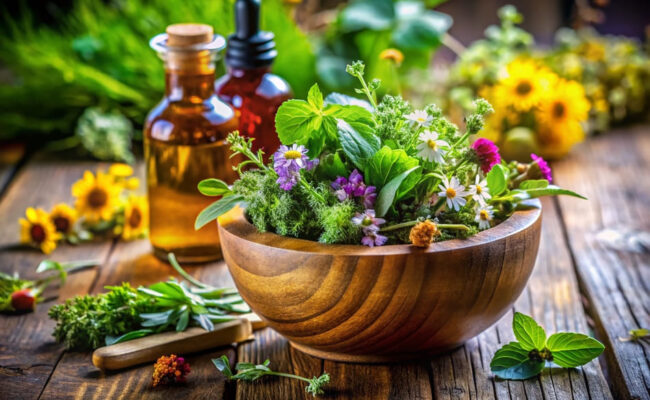
Along the Via Francigena: when pilgrims sought healing among the herbs
Medicinal plants-so named because they were once worked in the “workshops” of apothecary monks-were a familiar presence in monasteries, convent gardens and peasant homes. In Radicofani, where the altitude and mild climate favored biodiversity, species such as lavender, rosemary, sage, St. John’s Wort, mint, lemon balm and many others grew (and still do) and were used to soothe the most common ailments: from travel fatigue to joint pain to seasonal ailments.
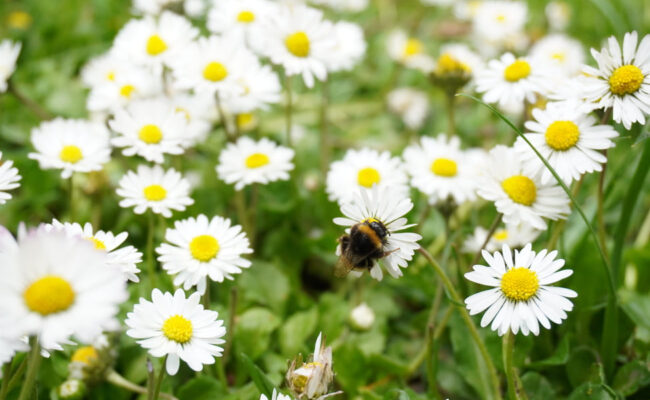
Herbs for humans and bees: a natural alliance that nourishes the land
Medicinal herbs are not only a health resource, but also a concrete opportunity for sustainable development of the area through agriculture, processing, education and experiential tourism.
In Radicofani, dedicated projects are bringing this ancient knowledge back to the center, with workshops, educational paths and initiatives that combine science and tradition, offering those who live in or visit the village an authentic experience, rooted in history but open to the future.
Doing business in Radicofani, another way of life
Defending bees means defending the future. In Radicofani, doing business means investing in biodiversity, quality and resilience, responding to one of the most urgent challenges of our time.